blog
Ski Accident Insurance: Real Cases
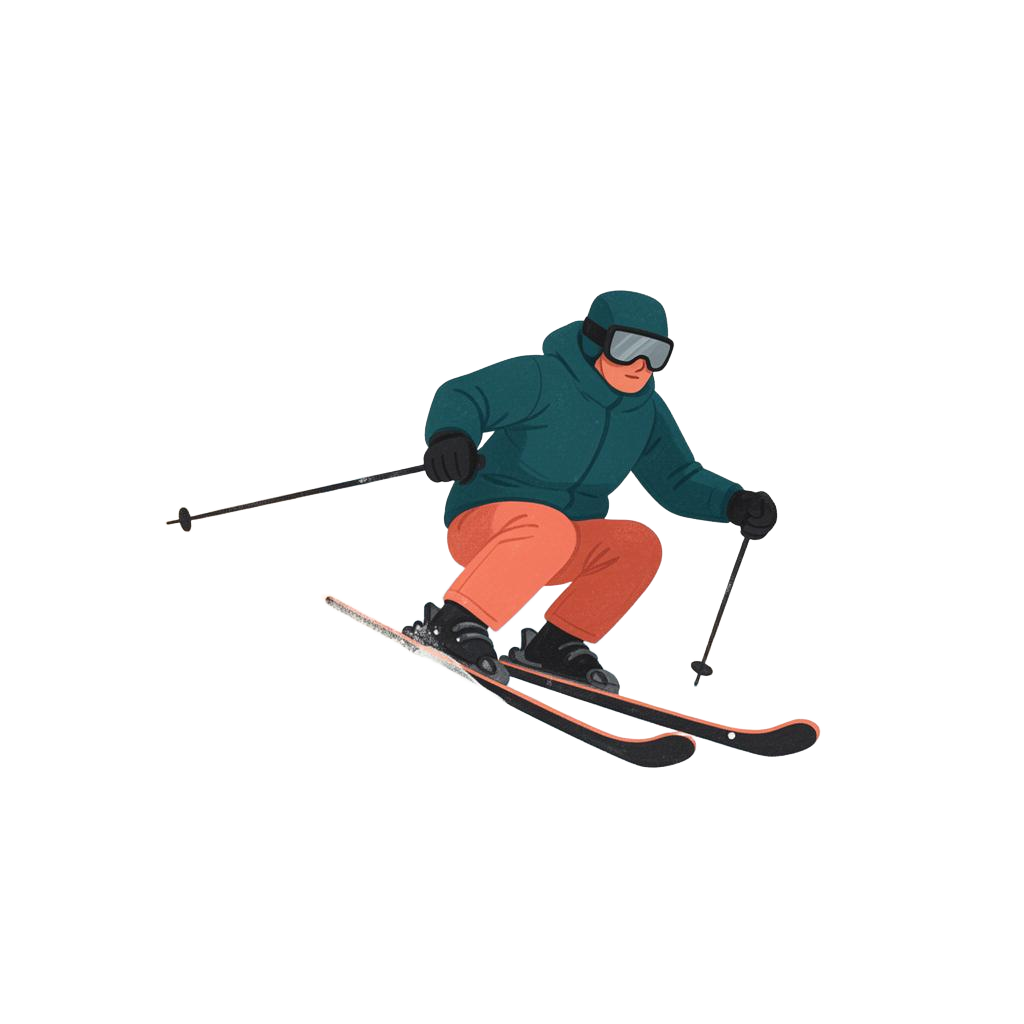
Ski accident insurance provides essential financial protection for UK travellers against the high costs of mountain rescue, emergency medical treatment, and repatriation. Standard travel policies often exclude winter sports, meaning a specialist ski accident insurance policy is required to cover incidents on the slopes. Choosing the right cover ensures that if you are injured while skiing or snowboarding, your insurer handles the logistics and expenses of getting you to a hospital or back to the UK. This guide examines real-world costs, essential policy features, and the importance of declaring pre-existing medical conditions before you travel.

Key facts
- Typical cost range
- £25-£65 per person for a typical 1-week trip (UK-priced 2026)
- Mountain rescue cost
- Can exceed £2,500 for a simple helicopter lift in the French Alps
- Medical cover limit
- Most UK policies offer between £2 million and £10 million
- Equipment cover
- Typically ranges from £500 to £1,500 for owned or hired gear
- Repatriation cost
- An air ambulance from Europe to the UK can cost over £15,000
TL;DR
Ski accident insurance is a mandatory requirement for UK travellers heading to the slopes. It covers expensive mountain rescues, private medical care, and repatriation which are not covered by the GHIC. Always declare pre-existing conditions and check that your policy includes off-piste cover if you plan to leave the marked runs.
Ready to compare cover?
Compare quotes by trip, age, health and destination. We may earn a commission.
Why specialist ski accident insurance is vital
A standard travel insurance policy usually excludes activities deemed high-risk, such as downhill skiing or snowboarding. Without specific ski accident insurance, a UK traveller could be liable for the full cost of a mountain rescue, which often involves private helicopters or specialised sledge teams. These services are not covered by the Global Health Insurance Card (GHIC) and can cost thousands of pounds before you even reach a hospital bed. Having the correct policy ensures that the financial burden of an accident is managed by professional claims handlers rather than the individual.
- Covers the cost of mountain search and rescue services
- Includes emergency medical treatment in private clinics
- Provides for emergency helicopter or ambulance transport
- Protects against the loss or theft of expensive ski equipment
- Covers pre-paid lift passes and lessons if you are injured
- Includes personal liability if you collide with another skier
What is typically covered in a policy
Specialist winter sports policies go beyond basic medical care. They are designed to address the specific logistical challenges of a mountain environment. For example, if you are injured and cannot fly home on your original scheduled flight, the insurance covers the cost of a new flight and, if necessary, a medical escort. Most policies also include cover for 'piste closure', providing a daily benefit if there is no snow or if the lifts are closed due to adverse weather conditions, ensuring you are not out of pocket for a ruined trip.
Common exclusions and policy limitations
It is a common misconception that all accidents on the mountain are covered. Insurers have strict rules regarding 'off-piste' skiing; while many allow it with a qualified guide, skiing in restricted areas or against local safety advice will typically void your cover. Alcohol consumption is another major factor. If a medical report indicates that an accident occurred while you were under the influence of alcohol, the insurer is likely to reject the claim entirely under standard terms and conditions.
- Skiing off-piste without a guide or in closed areas
- Accidents occurring while under the influence of alcohol
- Competitive racing or professional winter sports activities
- Pre-existing medical conditions that were not declared
- Skiing without a helmet where local laws require one
The cost of ski insurance for UK travellers
The price of ski accident insurance depends on your age, destination, and the duration of your trip. Policies for Europe are generally cheaper than those for the USA or Canada due to the lower cost of medical care and shorter repatriation distances. For a typical one-week trip to the Alps, a UK traveller can expect to pay a premium that reflects the increased risk of injury compared to a standard beach holiday. It is often more cost-effective to buy an annual multi-trip policy if you plan to visit the mountains more than once a year.
Medical screening and pre-existing conditions
When applying for ski accident insurance, you must be honest about your medical history. The Financial Conduct Authority (FCA) requires insurers to treat customers fairly, but this relies on the traveller providing accurate information. A pre-existing condition, such as a previous knee injury or a heart condition, does not necessarily mean you cannot get cover, but it may require a higher premium. Failing to declare these details can lead to a claim being rejected, leaving you with substantial medical bills to pay yourself.
Gathering evidence for a successful claim
If you are involved in a ski accident, the claims process starts on the mountain. You will need to keep every receipt and document provided by the rescue team and the medical facility. Most insurers require you to contact their 24-hour emergency assistance line as soon as possible so they can authorise treatment and liaise with the hospital. If your equipment is stolen or damaged, you must obtain a police report or a statement from the lift operator to prove the incident occurred.
- Contact the 24-hour emergency assistance line immediately
- Keep all medical reports and discharge summaries
- Retain receipts for all out-of-pocket expenses
- Obtain a police or piste authority report for accidents
- Save proof of purchase for any lost or damaged equipment
- Keep records of cancelled lift passes or pre-paid lessons
The role of GHIC and FCDO advice
The Global Health Insurance Card (GHIC) is a valuable tool for UK residents in the EU, providing access to state-provided healthcare at the same cost as a local. However, the Foreign, Commonwealth and Development Office (FCDO) explicitly warns that a GHIC is not a replacement for travel insurance. It does not cover mountain rescue or repatriation to the UK. Before travelling, you should check the FCDO travel advice for your destination to understand local laws and any specific safety warnings regarding mountain conditions or weather alerts.
Practical checklist before you hit the slopes
Preparation is key to ensuring your ski accident insurance works when you need it. Ensure you have the emergency contact number and your policy number saved in your phone and written down in your jacket pocket. Check that your policy limits for medical expenses are at least £2 million for Europe and £5 million for worldwide travel. Finally, verify that your specific activity - whether it is heli-skiing, terrain park use, or cross-country skiing - is explicitly listed as a covered activity in your policy document.
Policy checklist
- Medical cover limit at least £2 million (£5m+ for long-haul)
- Cancellation limit covers the full cost of your trip
- Excess you'd be willing to pay per claim
- Activity list includes everything you've planned
- Age limits and medical screening completed
- Cruise / winter sports / golf extras if needed
Insurance disclaimer: This page is general guidance, not regulated financial advice. Cover, limits, excesses and exclusions vary by insurer and policy. Always read the policy wording.
Affiliate disclosure: Holiday Insured may earn a commission when you click through to a provider and buy a policy. This does not affect what you pay or which policies we describe. Read our full affiliate disclosure.
Related guides
Frequently asked questions
Plain English answers to common holiday insurance questions.
Sources and further reading
Sources are independent UK authorities. Holiday Insured is not affiliated with any of the bodies listed. Read our editorial policy.
Written by
Holiday Insured Editorial Team
Reviewed by
Josh T.
Last updated
12 June 2026
Read our editorial policy. This content is general guidance and not regulated financial or medical advice.