blog
Skiing Without a Lift Pass
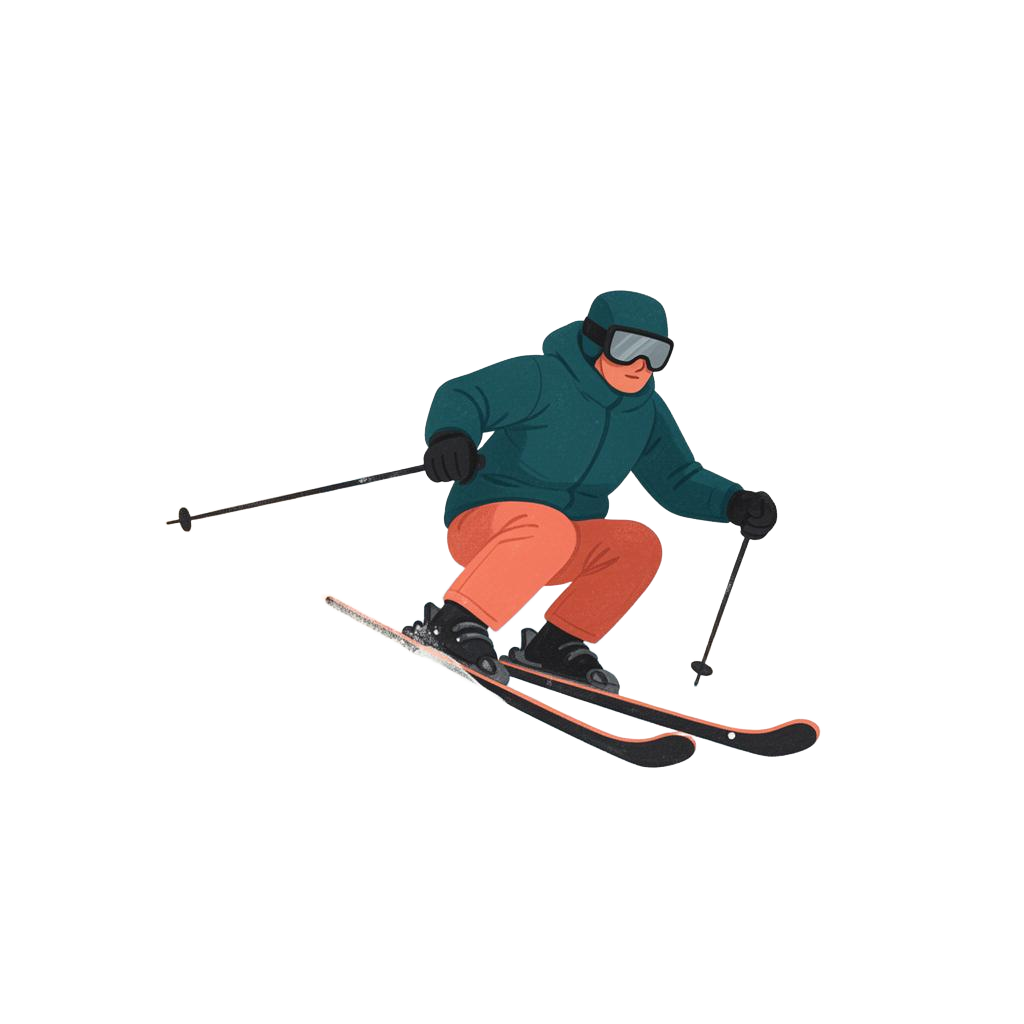
Skiing without a lift pass is entirely possible if you intend to use nursery slopes or engage in ski touring and cross-country routes that do not require mechanical uplift. However, most standard travel insurance policies assume you will be using managed lift systems and may require a specific winter sports add-on regardless of whether you buy a pass. You must ensure your policy covers off-piste activities if you plan to ski in areas not served by lifts. This guide explains how insurance works for those skipping the cable cars, the risks of skiing outside managed areas, and how to stay protected under UK regulations.

Key facts
- Typical cost range
- £25-£60 per person for a typical 1-week trip (UK-priced 2026)
- Helicopter rescue cost
- £2,000-£5,000 depending on duration and altitude
- Medical limit recommendation
- Minimum £5,000,000 for international winter sports
- GHIC coverage
- Covers state healthcare but 0% of mountain rescue costs
- Liability limit
- Usually £1,000,000 to £2,000,000 for third-party injury
TL;DR
Skiing without a lift pass still requires specialist winter sports insurance. Standard policies exclude snow sports by default, leaving you liable for expensive mountain rescue and medical bills. Always check your policy's off-piste definitions and ensure the FCDO deems your destination safe before setting off.
Ready to compare cover?
Compare quotes by trip, age, health and destination. We may earn a commission.
Why skiing without a lift pass matters for insurance
Many British travellers assume that if they do not purchase a lift pass, they do not need winter sports insurance. This is a common misconception that can lead to significant financial risk. Whether you are using a free magic carpet on a nursery slope or trekking up a mountain for a remote descent, the inherent risks of skiing - such as fractures, head injuries, or colliding with others - remain the same. Standard travel insurance policies typically exclude all ski-related injuries unless a specific winter sports premium has been paid.
- Standard policies usually exclude all snow sports by default
- Medical evacuation from a mountain is expensive without cover
- Liability for collisions applies even on free nursery slopes
- Off-piste skiing often requires higher-level premium extensions
- Emergency rescue costs are not covered by the GHIC alone
What is covered when skipping the lifts
If you have added winter sports cover to your policy, you are generally protected for skiing and snowboarding within the territory limits defined by your insurer. This includes medical expenses, search and rescue, and third-party liability. If you are not using lifts because you are cross-country skiing or ski touring, your policy will focus on emergency medical care and repatriation to the UK. It is vital to check if your policy requires you to be accompanied by a professional guide when skiing in areas not served by a lift company.
Common exclusions for non-lift users
The most significant exclusion for those skiing without a lift pass is 'off-piste' activity without a guide. Many UK insurers define 'on-piste' as runs groomed and marked by the local lift authority. If you are skiing in an area where no lift pass is required because it is unmanaged, you may be classed as off-piste. If you ignore local safety advice or ski against FCDO warnings, your claim will likely be rejected. Additionally, many policies will not cover 'piste closure' or 'unused lift pass' claims if you never purchased a pass in the first place.
- Skiing against local authority or FCDO safety advice
- Participating in professional competitions or stunts
- Skiing outside of the dates specified on your certificate
- Claims involving the consumption of alcohol or drugs
- Searching for 'fresh powder' in restricted or closed zones
Typical costs and pricing factors
For a typical one-week trip in 2026, adding winter sports cover to a standard policy usually costs between £25 and £60 per person. Prices vary based on your age, destination, and any pre-existing medical conditions. While you might save £250 on the cost of a physical lift pass, skipping the insurance premium is a false economy. A single helicopter evacuation in the French Alps can cost upwards of £2,500, while a complex leg fracture requiring repatriation to the UK can exceed £15,000.
Choosing cover for specific destinations
Your choice of destination significantly impacts your insurance requirements. In the EU, your Global Health Insurance Card (GHIC) provides access to state healthcare at the same cost as locals, but it does not cover private mountain rescue or air ambulance fees. If you are skiing in the USA or Canada without a lift pass, the medical costs are substantially higher, and you must ensure your policy has at least £5 million in medical cover. Always check the FCDO website for the latest entry requirements and safety notices for your specific resort.
- Check if your destination requires mandatory rescue insurance
- Ensure medical limits are sufficient for North American travel
- Verify that the GHIC is valid for your European destination
- Confirm if 'search and rescue' includes heli-lift services
- Review local laws regarding third-party liability insurance
Claims and evidence requirements
If you need to make a claim while skiing without a lift pass, the evidence required is similar to standard claims but with a focus on your location. You will need medical reports from the attending doctor and receipts for any emergency transport. If you were ski touring or using a guide, a statement from the guide or a map of your route may be requested to prove you were within the policy's geographical limits. Always contact your insurer's 24-hour emergency assistance line as soon as possible to authorise expensive treatments or rescues.
Regulatory context and the FCDO
The Financial Conduct Authority (FCA) regulates UK insurers to ensure they treat customers fairly. This means your policy wording must clearly define what constitutes 'off-piste' and what activities require a lift pass. The Foreign, Commonwealth & Development Office (FCDO) provides essential safety data; if you ski in an area they have advised against entering, your insurance is usually void. Organizations like the Association of British Insurers (ABI) provide frameworks to ensure that winter sports terms are transparent for UK consumers.
Practical checklist for the lift-free skier
Before you head to the slopes, ensure you have all your documentation ready. Even if you are just playing in the snow or using a free beginners' area, the risks remain. This checklist helps ensure you are not left vulnerable to high medical bills or legal action from third parties.
- Verify 'Winter Sports' is listed on your insurance schedule
- Download your insurer's 24-hour emergency contact number
- Carry your GHIC or EHIC for travel within the EU/EEA
- Check the FCDO travel advice for your specific country
- Confirm your policy's definition of 'off-piste' skiing
- Keep digital copies of your policy and medical declarations
Policy checklist
- Medical cover limit at least £2 million (£5m+ for long-haul)
- Cancellation limit covers the full cost of your trip
- Excess you'd be willing to pay per claim
- Activity list includes everything you've planned
- Age limits and medical screening completed
- Cruise / winter sports / golf extras if needed
Insurance disclaimer: This page is general guidance, not regulated financial advice. Cover, limits, excesses and exclusions vary by insurer and policy. Always read the policy wording.
Affiliate disclosure: Holiday Insured may earn a commission when you click through to a provider and buy a policy. This does not affect what you pay or which policies we describe. Read our full affiliate disclosure.
Related guides
Frequently asked questions
Plain English answers to common holiday insurance questions.
Sources and further reading
Sources are independent UK authorities. Holiday Insured is not affiliated with any of the bodies listed. Read our editorial policy.
Written by
Holiday Insured Editorial Team
Reviewed by
Josh T.
Last updated
12 June 2026
Read our editorial policy. This content is general guidance and not regulated financial or medical advice.